.svg)


.svg) Search
Search
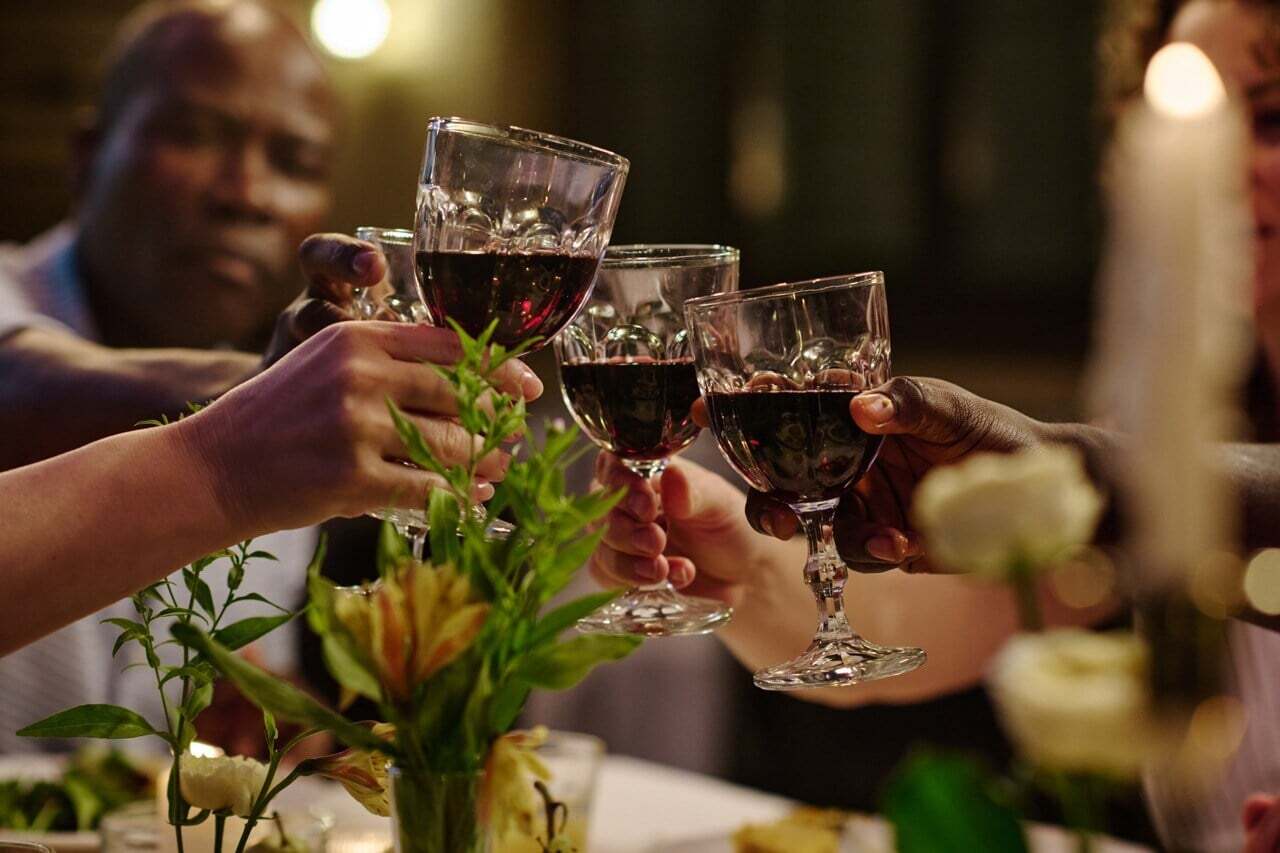


The wine and spirits industry demands leadership talent with a rare combination of technical knowledge, brand sensibility, and regulatory expertise. A director of winemaking needs to understand both the science of viticulture and the art of luxury brand storytelling. A vice president of sales at a spirits company must navigate three-tier distribution complexities while building relationships with premium on-premise accounts. These dual demands make executive recruiting in wine and spirits a specialty unto itself.
This guide explores the specific expertise that distinguishes wine and spirits executive search from general food and beverage recruitment, and how companies in this space can ensure they are working with recruiters who bring genuine depth.
The Specialized Knowledge Required to Recruit for Wineries and Spirits Producers
Viticulture, Terroir, and Quality Management in Vineyard Operations
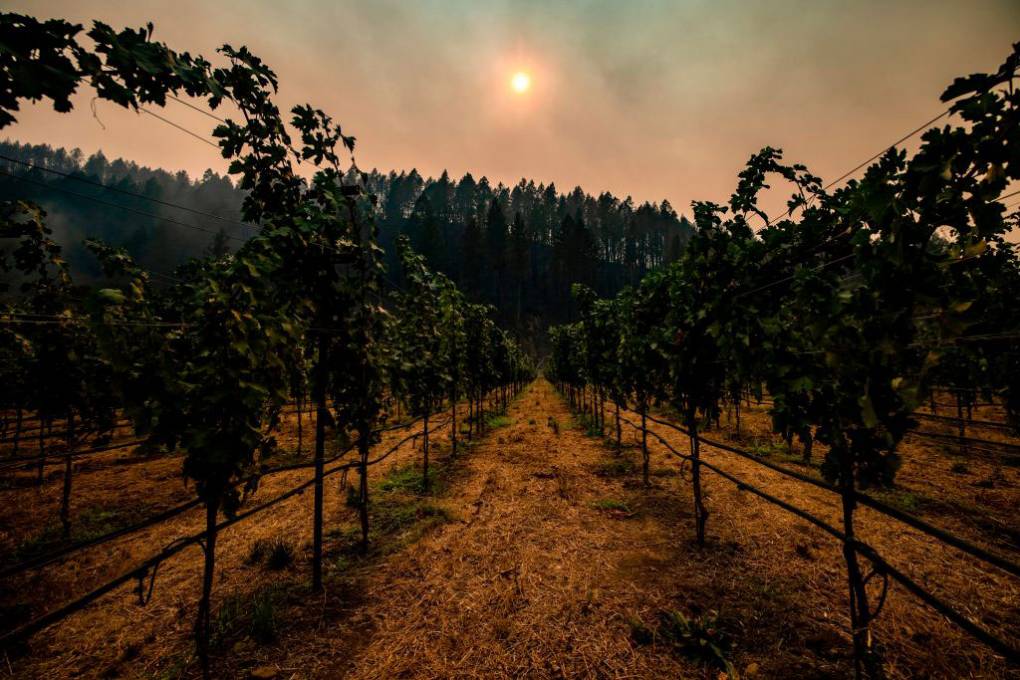
At the production level, wine companies need leaders who understand the interplay between vineyard management and wine quality. A director of viticulture makes decisions about canopy management, irrigation, harvest timing, and pest control that directly affect the character and quality of the finished wine. Recruiting for these roles requires a search firm that can evaluate candidates’ technical viticulture knowledge, their experience with specific grape varieties and growing conditions, and their philosophy on sustainable farming practices. A recruiter who cannot discuss vine training systems, soil composition, or disease pressure with fluency will struggle to differentiate between technically excellent candidates and those with superficial credentials.
Sommelier and Tasting Room Expertise in Hospitality Leadership
The hospitality side of the wine business—tasting rooms, wine clubs, private events, and estate experiences—has become a major revenue driver for wineries of all sizes. Leading these operations requires a unique blend of wine knowledge, hospitality management, and direct-to-consumer marketing expertise. Candidates with sommelier certifications or extensive wine education bring credibility with guests and the ability to train tasting room staff on proper service and wine presentation. Executive recruiters with wine industry expertise understand how to evaluate these qualifications and can identify hospitality leaders whose wine knowledge and guest experience skills align with your winery’s brand positioning.
Luxury Brand Positioning and High-Net-Worth Consumer Marketing
Premium and ultra-premium wine and spirits brands market to consumers who expect exclusivity, craftsmanship, and authenticity. A chief marketing officer at a luxury wine estate needs experience with high-net-worth consumer marketing, allocation-based sales programs, and the kind of brand storytelling that justifies price points of $100 or more per bottle. This is a fundamentally different marketing discipline than mass-market consumer goods. Specialized wine and spirits recruiters understand these distinctions and can evaluate whether a marketing candidate’s luxury brand experience translates specifically to the wine and spirits context, where heritage, terroir, and winemaker reputation drive brand equity in ways that are unique to this category.
Sourcing Talent from Established Producers and Emerging Wine Regions
Accessing Networks in Established Wine Regions (Napa, Sonoma, Bordeaux)
The major wine regions of the world—Napa Valley, Sonoma County, Willamette Valley, Bordeaux, Tuscany, Barossa Valley—have developed concentrated talent communities where winemakers, operations leaders, and sales executives build careers over decades. Recruiting from within these established networks requires relationships that take years to develop. The best wine industry search firms have consultants who are personally embedded in these communities—attending harvest celebrations, wine competitions, and industry gatherings where they meet candidates in informal settings. This presence gives them access to passive candidates who would never respond to a LinkedIn message from a recruiter they do not know.
Finding Leaders from Emerging Regions and New World Producers
While established regions remain the deepest talent pools, emerging wine regions are producing increasingly sophisticated leaders. The Finger Lakes, Texas Hill Country, Virginia’s Monticello wine trail, and British Columbia’s Okanagan Valley are developing their own leadership talent with fresh perspectives on production, marketing, and direct-to-consumer strategies. Specialized wine recruiters track talent development in these emerging regions and can identify leaders whose experience building brands from the ground up in less established markets brings valuable entrepreneurial energy to more established operations.
Evaluating International Recruitment and Visa Sponsorship Needs
The wine and spirits industry is inherently international, and the best talent often crosses borders. A winemaker trained in Burgundy bringing their savoir-faire to an Oregon pinot noir producer, or a Scotch whisky master blender consulting for an American craft distillery—these cross-border moves create extraordinary value but require careful navigation of visa requirements, work authorization timelines, and compensation structures that account for international relocation. Specialized wine and spirits recruiters understand these complexities and can advise on H-1B visa processes, O-1 visa qualifications for candidates with extraordinary ability, and the practical logistics of international executive relocation.
Building Teams for Distribution and Direct-to-Consumer Wine Channels
Recruiting Sales Leaders Who Navigate Three-Tier and DTC Regulations
Wine distribution in the United States is governed by a complex patchwork of state-by-state regulations that determine how wineries can sell their products. Some states allow direct-to-consumer shipping, others restrict it. Three-tier distribution requirements vary dramatically across jurisdictions. A vice president of sales at a winery needs to navigate this regulatory landscape while building productive relationships with distributors and developing a growing DTC channel. Recruiters with genuine wine industry expertise understand these regulatory nuances and can evaluate whether a sales candidate’s experience aligns with the specific states and channels where your winery operates.
Finding E-Commerce Specialists with Wine Industry Compliance Knowledge
E-commerce in the wine industry carries unique compliance requirements that generic e-commerce professionals may not understand. Age verification, state shipping restrictions, excise tax calculations, and carrier compliance all add layers of complexity to what might seem like a straightforward online retail operation. A head of e-commerce at a winery needs to combine digital marketing and platform management skills with a thorough understanding of these compliance requirements. Specialized wine industry recruiters can identify candidates who bring both the technical e-commerce capabilities and the regulatory knowledge that this role demands.
Building Tasting Room and Hospitality Management Expertise
Tasting room operations have evolved from simple walk-in experiences to sophisticated hospitality programs that include seated tastings, food and wine pairing events, vineyard tours, and private estate experiences. Building a team that delivers these experiences at a high level requires hospitality leadership with specific wine industry context. A tasting room director needs to manage staff scheduling around seasonal visitor patterns, train hosts on wine education and service standards, and drive wine club conversion rates that directly impact the winery’s revenue. Recruiters who understand the tasting room business model can evaluate candidates against these specific operational and financial metrics.
Navigating Regulatory and Import/Export Complexities in Wine Leadership
TTB Compliance and Label Approval Understanding in Marketing Roles
The Alcohol and Tobacco Tax and Trade Bureau regulates wine labeling, advertising, and trade practices at the federal level. Marketing leaders at wine and spirits companies need to understand TTB label approval processes, the specific claims that are permissible on wine labels, and the advertising restrictions that govern how wine brands can market their products. A chief marketing officer who runs afoul of TTB regulations can create significant legal and financial exposure for their company. Specialized wine recruiters evaluate marketing candidates’ familiarity with these regulations and their track record of working within TTB compliance frameworks.
Sourcing Operations Leaders for Import/Export Logistics
Wine is one of the most heavily traded agricultural products in the world, and the logistics of importing and exporting wine involve a complex set of regulatory, taxation, and logistical challenges. An operations leader managing international wine logistics needs to understand customs documentation, duty calculations, temperature-controlled shipping requirements, and the specific regulations that govern alcohol imports in each destination market. Recruiting for these roles requires a search firm that can evaluate candidates’ experience with the specific countries, regulations, and logistics partners relevant to your company’s international trade operations.
Evaluating Candidates’ Knowledge of Wine Tariffs and Trade Policy
Trade policy has become increasingly relevant for wine companies, particularly those involved in international commerce. Tariff changes can dramatically affect the economics of importing European wines or exporting American wines to key markets. Leaders with responsibilities that touch international trade need to understand how tariff policy works, monitor trade developments that could affect their business, and develop contingency plans for supply chain disruption. During the executive search process, assessing a candidate’s awareness of current trade dynamics and their experience adapting to tariff changes demonstrates whether they bring the strategic thinking required for leadership roles with international exposure.
Frequently Asked Questions
What makes wine and spirits executive recruiting different?
The roles pair technical depth with brand and regulatory demands: viticulture and production science, luxury positioning, three-tier and DTC compliance, and TTB rules. Evaluating that combination takes recruiters embedded in the category.
Which wine and spirits roles justify retained search?
Director of winemaking, head of production, VP of sales, CMO, and operations leaders with import/export exposure. The pools are small, the candidates are employed, and a mis-hire shows up in the product.
How long does a wine or spirits executive search take?
Our searches across consumer goods average 46 days from kickoff to signed offer; technical wine roles with small pools can run longer. Measuring the search is its own discipline, covered in how to measure executive recruiting ROI for wine and spirits companies.
Wine and spirits executive recruiting is a specialty that requires deep industry knowledge, established relationships in key wine regions, and fluency in the regulatory, operational, and brand complexities that define this industry. By partnering with search firms that bring genuine expertise in viticulture, luxury brand marketing, distribution compliance, and international trade, wine and spirits companies ensure that every leadership hire strengthens their ability to compete in a market where quality of talent directly drives quality of product and brand. Our beer, wine and spirits practice runs these searches.